
← Today's Current Affairs · Environment GA Prelims ★★★☆☆ Mains ★★☆☆☆
GAIL proposes waste-to-biogas plant in Bengaluru
खबर में क्यों?
₹123 crore to turn Bengaluru's garbage into gas: the SATAT and waste-management link KPSC Environment tests
₹123-crore waste-to-biogas plant proposed in Bengaluru.
Why it matters: general awareness
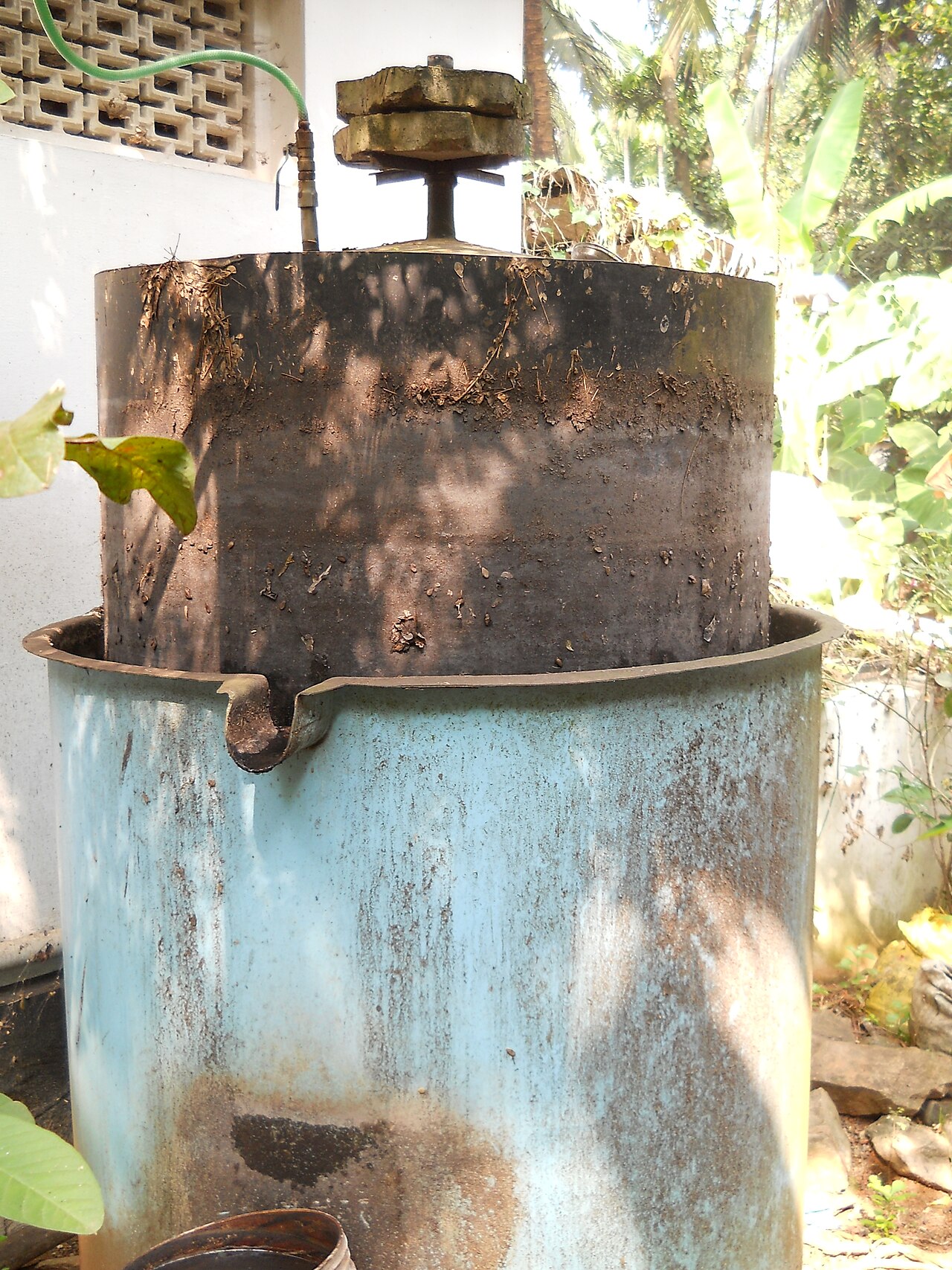
What you need to know
2 मिनट
GAIL has proposed a ₹123-crore waste-to-biogas plant at the KCDC site in Bengaluru, aimed at converting city waste into bio-energy.
स्रोत: Topper IAS editorial (PIB / The Hindu / Indian Express)
मुख्य तथ्य
Remember these
- GAIL has proposed a ₹123-crore waste-to-biogas plant at the KCDC site in Bengaluru.
- The plant aims to convert city waste into bio-energy.
- GAIL (India) Ltd is a Maharatna PSU under the Ministry of Petroleum and Natural Gas.
- Biogas is mainly methane and carbon dioxide; purified, it becomes compressed biogas (CBG).
- The SATAT scheme (2018) promotes CBG production and its supply to the transport sector.
प्रीलिम्स · मेन्स
How the exam will ask it
प्रीलिम्स
- Biogas produced by anaerobic digestion of organic waste consists mainly of methane and carbon dioxide.
- Compressed biogas (CBG) can substitute CNG as a vehicle fuel and for piped gas.
- GAIL (India) Limited is a public sector undertaking under the Ministry of Petroleum and Natural Gas.
- Under the SATAT initiative, oil marketing companies offer to purchase CBG from entrepreneurs.
मेन्स
GS-III (Environment, Energy): Rising urban municipal solid waste and landfill pressure in cities like Bengaluru call for scientific processing under the Solid Waste Management Rules. Waste-to-biogas plants cut landfill methane, create clean fuel and support the GOBARdhan and SATAT goals. Way forward: strict source segregation, assured offtake and pricing for CBG, and use of the digestate as organic manure.
Quick recall
Answer before you reveal
Consider the following statements about the Cabinet-approved rabi fertiliser subsidy of ₹62,370 crore:
- The subsidy rate on nitrogen has been doubled.
- The subsidy rate on phosphorus has been reduced.
Which of the statements given above is/are correct?
- 1 only
- 2 only
- Both 1 and 2
- Neither 1 nor 2
उत्तर देखें
उत्तर: A — Correct: 1 only — the nitrogen subsidy has been doubled, while phosphorus was raised, not cut, so only statement 1 holds. • 2 only — wrong: statement 2 is false because the phosphorus subsidy rate was raised by 25 per cent. • Both 1 and 2 — wrong: statement 2 is false, since phosphorus support went up by 25 per cent. • Neither 1 nor 2 — wrong: statement 1 is true — the nitrogen rate was doubled.
Convert this topic into marks
Today's 10-MCQ test · instant analysis · Powered by AdaptIQ