
← Today's Current Affairs · Science & Tech GA Prelims ★★★★☆ Mains ★★☆☆☆
Record-cold rubidium condensate created aboard Tiangong
ਖ਼ਬਰਾਂ ਵਿੱਚ ਕਿਉਂ?
Colder than deep space by trillions: the Tiangong Bose-Einstein condensate behind GS3 Science questions
Rubidium BEC at 9.7 picokelvins made on Tiangong.
Why it matters: factual, Prelims-type
What you need to know
2 ਮਿੰਟ
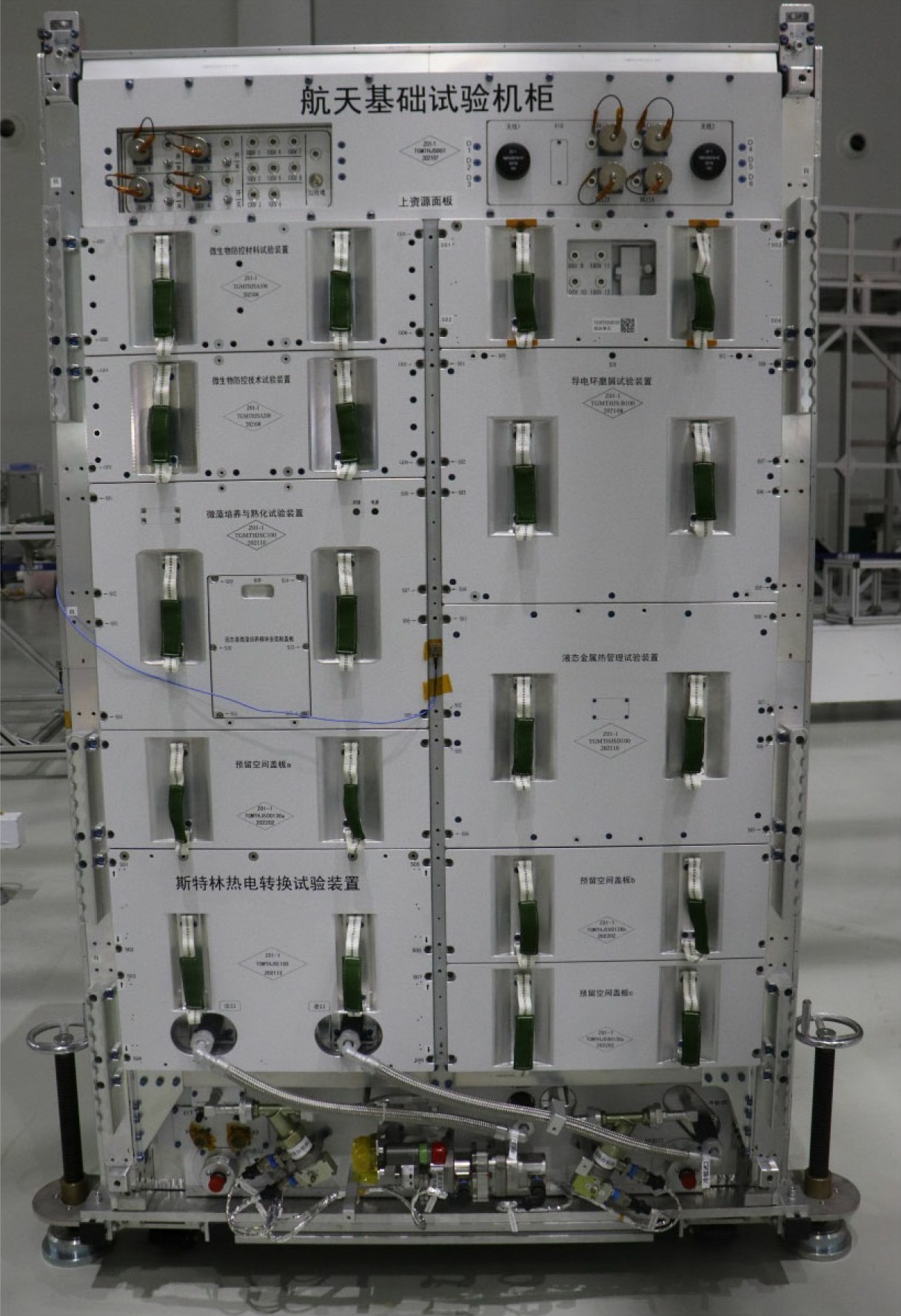
Chinese researchers cooled rubidium atoms aboard the Tiangong space station to a record-low 9.7 picokelvins, about 9.7 trillionths of a kelvin above absolute zero, forming a Bose-Einstein condensate.
Microgravity lets the atoms be held for long periods, allowing far lower temperatures than on Earth.
ਸਰੋਤ: Topper IAS editorial (PIB / The Hindu / Indian Express)
ਮੁੱਖ ਤੱਥ
Remember these
- Chinese researchers cooled rubidium atoms aboard the Tiangong space station to a record-low 9.7 picokelvins.
- 1 picokelvin is one trillionth of a kelvin; 9.7 picokelvins is about 9.7 trillionths of a kelvin above absolute zero.
- The cooled atoms formed a Bose-Einstein condensate (BEC), a state of matter in which atoms behave as a single quantum entity.
- Microgravity lets atoms be held for long periods, allowing far lower temperatures than on Earth.
- Absolute zero is 0 K, or about -273.15 °C.
ਪ੍ਰੀਲਿਮਜ਼ · ਮੇਨਜ਼
How the exam will ask it
ਪ੍ਰੀਲਿਮਜ਼
- A Bose-Einstein condensate is formed when a gas of bosons is cooled to temperatures very close to absolute zero.
- In a BEC, a large fraction of the atoms occupy the lowest quantum state and behave as a single quantum entity.
- Microgravity allows atoms to be trapped for longer without falling, enabling lower temperatures than ground-based labs can reach.
- Tiangong is China's space station, and the record condensate was made from rubidium atoms aboard it.
ਮੇਨਜ਼
GS3 Science & Technology: cold-atom experiments in space show how microgravity opens quantum research that is hard to do on Earth. Such work supports precision sensing, atomic clocks and tests of fundamental physics, and it reflects the growing competition among space-faring nations to host frontier science. The way forward for India is to invest in quantum missions and space-based research platforms and to build access to microgravity facilities.
Quick recall
Answer before you reveal
Chinese researchers have created a record-cold rubidium Bose-Einstein condensate, at 9.7 picokelvins, aboard which space station?
- International Space Station
- Mir
- Tiangong
- Skylab
ਜਵਾਬ ਵੇਖੋ
ਜਵਾਬ: C — Correct: Tiangong — the condensate was cooled aboard China’s Tiangong station, where microgravity allows extremely low temperatures. • International Space Station — wrong: the ISS is operated by a multinational partnership; the experiment was on China’s station. • Mir — wrong: Mir was the Soviet/Russian station, deorbited in 2001, so it cannot host a 2026 experiment. • Skylab — wrong: Skylab was a US station that fell back to Earth in 1979.
Convert this topic into marks
Today's 10-MCQ test · instant analysis · Powered by AdaptIQ